
A Little Friendly Competition: Making Music Fundamentals Fun in the Classroom
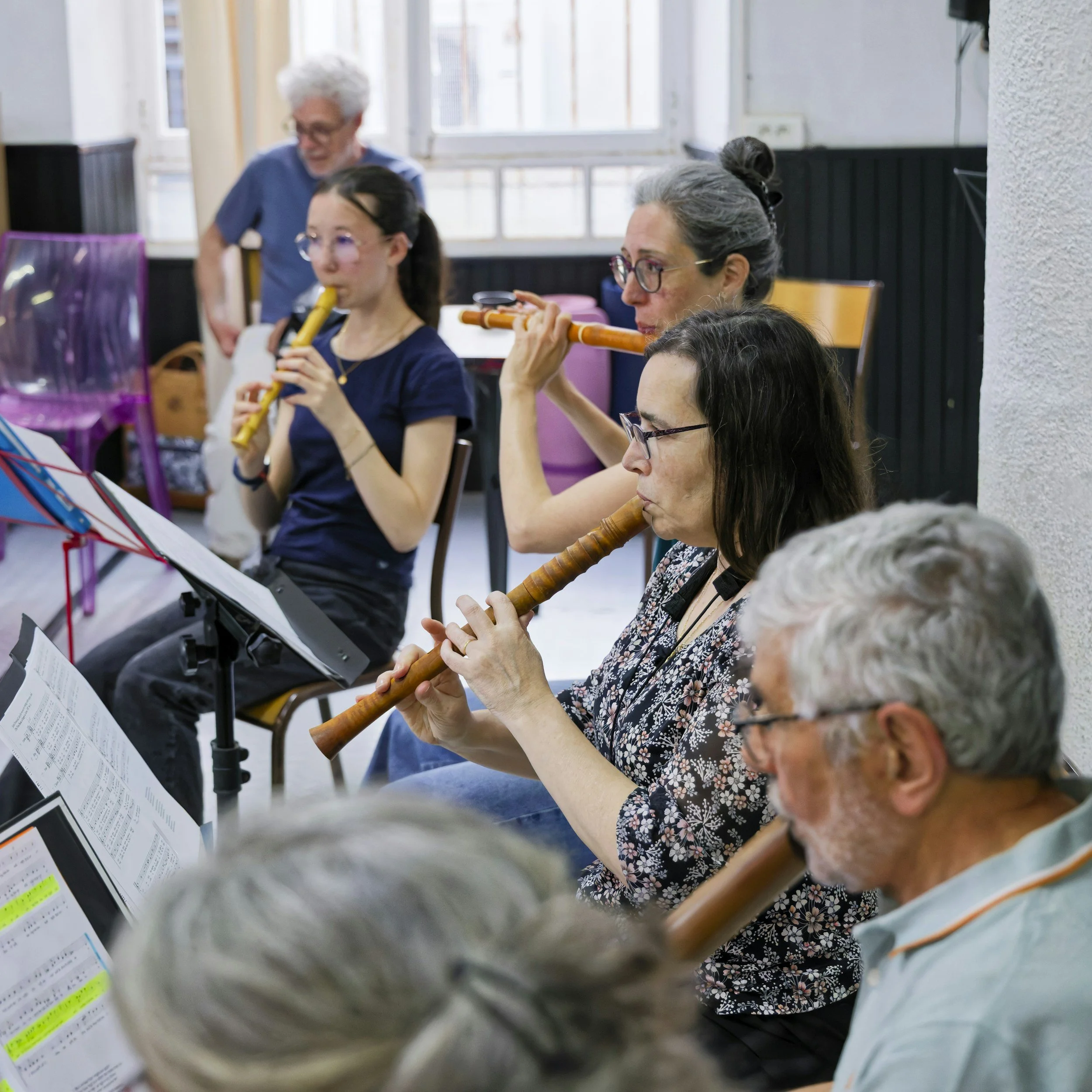
There’s something special about the moment a classroom full of musicians starts to sound like a team. Maybe it happens when a tricky passage finally comes together, when a section nails a rhythm they’ve been working on all week, or when a student who’s been hesitant to participate suddenly volunteers to demonstrate.
Those moments are what music education is all about.
But let’s be honest: not every part of learning music feels exciting at first. Long tones, breathing exercises, scales, articulation, and other fundamentals are essential to a musician’s growth- but repeating the same exercise day after day can sometimes feel a little routine.
That’s where a little friendly competition can help.
With a few creative classroom activities, music educators can bring fresh energy to fundamentals, encourage students to listen more closely, and help young musicians recognize that progress is something worth celebrating. The goal isn’t to crown one student the “best” musician in the room. It’s to make practice engaging, build confidence, and remind everyone that improvement is a team effort.
Make the goal progress- not perfection
Before introducing a classroom challenge, it helps to establish what success looks like.
Instead of focusing only on who plays the loudest, holds a note the longest, or finishes an exercise first, invite students to pay attention to their own progress. Can they produce a steadier tone than they did last week? Are they noticing when their airflow becomes uneven? Can they identify one thing that feels more comfortable after practicing?
These questions encourage students to focus on the process rather than comparing themselves with their classmates.
You can also create team-based challenges where students work together toward a shared goal. For example, a section might earn points for attentive listening, thoughtful self-assessment, or showing improvement in a specific musical skill. A class could work toward filling a progress chart with accomplishments throughout the month.
When students see that effort, curiosity, and cooperation count, the classroom becomes a place where they can take musical risks without feeling that every mistake is a public failure.
Turn fundamentals into classroom challenges
A challenge doesn’t need elaborate materials or a complicated scoring system. Often, the simplest activities are the easiest to repeat—and the easiest for students to remember.
Here are a few ideas to try:
1. The listening challenge
Play a short phrase and ask students to listen for one specific musical element: a consistent tone, a clean entrance, a smooth connection between notes, or a clear release. Then invite them to describe what they noticed.
You can make it a team activity by asking groups to identify the same musical detail and explain how they heard it. This shifts the focus from simply performing to developing the listening skills musicians need every day.
2. The teamwork challenge
Choose a short passage and give each section a shared goal. Maybe the goal is to coordinate entrances, match articulation, or create a more unified sound.
After a few attempts, let students discuss what helped the group improve. Encourage them to offer constructive observations and recognize one another’s contributions.
3. The musical detective challenge
Invite students to become musical detectives. Give them a short exercise and ask them to identify one area that could use attention. Is the rhythm uneven? Does the phrase lose energy near the end? Are the notes speaking clearly?
Students can then suggest a practice strategy and try it together. The challenge becomes about noticing, problem-solving, and applying what they’ve learned.
4. The personal-best challenge
Have students choose one attainable goal for a warm-up or fundamentals exercise. They might aim for a more consistent tone, a relaxed posture, or a smoother phrase.
At the end, ask them to reflect: What changed? What helped? What would they like to try next time?
A personal-best challenge gives every student a way to participate, regardless of their current experience level.
Bring airflow into the fun
For wind players, breathing and airflow are important parts of building a reliable foundation. Yet breathing exercises can sometimes feel abstract, especially for students who are still learning what steady, supported airflow feels like.
A visual tool can make that concept easier to explore.
The Breath Builder® gives students a visible way to observe airflow as they practice. The ball responds to the air moving through the device, offering immediate visual feedback that can help bring attention to consistency and control.
A teacher might introduce a short, guided Breath Builder® activity as part of a fundamentals rotation. Students could practice individually, then reflect on what they noticed about their airflow. The challenge could be framed around careful observation and personal progress- not competing to see who can go the longest or push the hardest.
Because students have different experience levels and physical needs, activities should remain comfortable and teacher-guided. Encourage students to stop and rest if they feel dizzy or uncomfortable, and remember that the Breath Builder® is designed for individual use rather than sharing between students.
Used thoughtfully, the device can add a hands-on element to a lesson about breath awareness and help students connect an invisible process with something they can actually see.
Keep the competition kind
Friendly competition works best when students feel safe, included, and supported. A few simple classroom guidelines can help:
Celebrate effort and improvement. Recognize persistence, thoughtful practice, and progress- not just polished results.
Offer different ways to participate. Students can contribute by listening, observing, reflecting, or helping their team.
Avoid public comparisons that embarrass students. Keep feedback constructive and focused on the musical task.
Make room for mistakes. A challenge should be an opportunity to learn, not a test of who never gets something wrong.
Let students reflect. Ask what they learned and what they want to work on next, rather than ending with a score alone.
The best classroom challenges leave students feeling encouraged to keep going.
Make fundamentals something students look forward to
The fundamentals students practice today become the building blocks for the music they’ll make tomorrow. When educators find ways to make those fundamentals engaging, students have more opportunities to connect with the process- and with one another.
A little friendly competition can add momentum to a lesson, but the real reward is what happens beyond the challenge: students listening more carefully, supporting their section, recognizing their own growth, and discovering that the small details of musicianship can be satisfying in their own right.
So this September, try adding a little creativity to your classroom routine. Set a shared goal. Invite students to become musical detectives. Celebrate a personal best. Make room for laughter, encouragement, and the occasional happy breakthrough.
And when you’re looking for a visual way to introduce airflow awareness, consider incorporating the Breath Builder® into an individual practice activity.
Because music fundamentals don’t have to feel like busywork. With the right approach, they can become another opportunity to build confidence, strengthen community, and help young musicians fall a little more in love with making music.